Monday, 3 February 2014

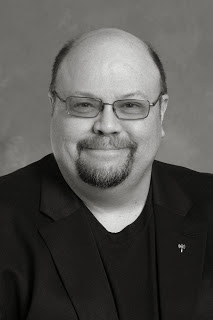
An Interview with Dr. Francis Young

This month here at Albion Calling I am interviewing Dr. Francis Young, a teacher by profession who is also a historian of early modern England, having just published his important monograph, English Catholics and the Supernatural, 1553–1829 (Ashgate, 2013), for which he was awarded his PhD from the University of Cambridge. A specialist in Roman Catholicism, popular religion, and beliefs surrounding the preternatural during the period, Dr. Young talks to me about his career and research, as well as the state of scholarship on this fascinating subject.

[EDW] In January of this year you received your PhD in History from Cambridge University, having previously received a BA in Philosophy at Cambridge and an MA in Classics from the University of Wales, Lampeter. Can you tell us a bit about your varied academic trajectory and the path that you took to get to where you are today?

[FY] I have certainly not come to the PhD by the traditional route; after I graduated from Cambridge in 2002, I went to teach Religious Studies at a school in Warwickshire, and after a year I returned to Cambridge to train as a teacher. Since 2004 I have been teaching in Ely, just north of Cambridge, where I am involved in running a Sixth Form of around 200 students and helping them apply to university. Most teachers are much too busy to pursue further degrees, but I had always harboured a desire to take my academic interests further. I published my first peer-reviewed article on eighteenth-century English Catholicism in 2004, but the first years of teaching are very intense and it was only after a few years that I could contemplate part-time study. I chose to pursue the Classics degree first, because I wanted to improve the fluency of my reading of Latin, which is absolutely essential to the study of early modern history, especially my specialism (Catholicism). However, I ended up writing a dissertation on early Roman religion (the cult of Hercules).

As for the PhD, the initial stimulus came from reading the work of Owen Davies, especially his magnificent Popular Magic (2003). I realised that a very fruitful direction in which Davies’ work could be extended was through a detailed examination of the role of popular religion in the English Catholic community, and I felt that I was ideally placed to do this. Over the years I had built up a familiarity with the nature and sources of Catholic history, and that, combined with my ability to read Latin and my interest in popular religion, gave me the tools I needed to start work on English Catholics and the Supernatural. I had already begun the book when I discovered that Cambridge University offers a PhD by publication for its own graduates (as several other universities do), so I constructed the book with this in mind and submitted it for examination. The examination process is the same as for any other PhD, and in November 2013 I was called to defend my thesis in person. One of my examiners was Prof. Peter Marshall, author of Mother Leakey and the Bishop and Beliefs and the Dead in Reformation England, who like me started with the study of Catholicism and then branched out into popular religion. The second examiner was none other than Prof. Davies himself. Fortunately, my work met with their approval (unlike a conventional thesis, a book cannot be revised, and is either passed or failed!).

[EDW] What is it about academia that interests you, and what made you decide to follow an academic vocation? In particular, what is it that sparked your interest in early modern Catholicism, popular religion, and magical beliefs; something in childhood, perhaps?

[FY] I think that anyone who didn’t have an interest in magic in childhood must have had a very sad one, but the dominant theme of my childhood was an obsession with the past. The past to me was magical, and from an early age I had an active interest in folklore and collected books of folktales. At the age of sixteen I was inspired with a passion for early modern English history by my then History teacher. He introduced me to the work of Eamon Duffy and revisionist Catholic historiography (a movement that argues for the vitality of pre-Reformation Catholicism, and rejects the idea that the Reformation was somehow ‘needed’). One of the key themes of the revisionist historiography of the Reformation, and where it crosses over with the history of magic and popular religion, is that revisionists often reject the ‘Protestant’ distinction between ‘religion’ and ‘superstition’. A good example of this crossover would be Ronald Hutton’s The Rise and Fall of Merry England (1994).

In spite of my love of History I decided to read Philosophy at university, and I became caught up in the materialistic analytic philosophy taught at Cambridge. What changed all this was a remarkable individual, Jonael Schickler (1976-2002), who taught me Kantian and Hegelian philosophy and was also a close friend. Jonael was an independent thinker of extraordinary brilliance who was working on Rudolf Steiner, the founder of Anthroposophy. Jonael challenged my preconceptions, and showed me that an intelligent person can be interested in esoteric traditions. His tragic early death, before he could complete his PhD, had a profound effect on me. Although I was conscious that he and I thought in very different ways, I felt the need to continue the spirit of his programme of research. One of the major themes of our discussions over the years had been the theology of angels; my research in this area led me to early modern demonology and explains why the theme of exorcism is central to English Catholics and the Supernatural.

[EDW] Last year, Ashgate brought out your first major monograph, English Catholics and the Supernatural, 1553–1829, in which you examined the largely neglected area of popular religion and the preternatural among Catholics in early modern England. In that book you look at a variety of different aspects, among them beliefs in the Devil, witchcraft, demonic possession, and ghosts, and the way in which English Catholics dealt with those issues through exorcism. Given that it is this work which led to you being awarded your PhD, I’d be interested to learn how you got started on this project, and to hear a little more about it?

[FY] I wrote an article on Catholic exorcisms in 2009 and was astonished to find that, with the exception of Prof. Alexandra Walsham at Cambridge, no-one had done any recent work on early modern Catholic exorcisms – in spite of the fact that Catholic priests were in demand as exorcists even amongst non-Catholics. Furthermore, it seemed that no-one was taking forward Owen Davies’ insight that there was a connection between demand for exorcism and belief in witchcraft. The aim of the book was always to explain this connection, but in order to do so it became necessary for me to set Catholic attitudes to exorcism and witchcraft within the wider context of Catholic responses to the supernatural (or preternatural, to use the correct but more obscure term). Matters are complicated by the fact that the English Protestant stereotype of Catholics portrayed them as credulous and gullible, so I decided to rely as far as possible on sources produced by Catholics themselves. The major challenge of the project was finding these sources; Catholics were a tiny minority and the literature they produced was tiny in comparison with the torrent of anti-Catholic material. Fortunately, I found a treatise on witchcraft by an eighteenth-century monk (I edited it in entirety for the book’s appendix) which filled an important gap; our knowledge of whether Catholics (usually associated with conservatism) carried on believing in witchcraft later than others. It seems that some did, but my overall conclusion is that Catholics in England were no more ‘superstitious’ than anyone else, contrary to the old stereotypes.

[EDW] Much of your research has been rooted in your home region, East Anglia. Eastern England is of course an area with very old, rich associations with folk magic and witchcraft, from Matthew Hopkins to Andrew Chumbley, but I’d certainly be interested to hear what you personally find so fascinating about the region, and what makes you devote so much work to it?

[FY] I am an East Anglian by birth and, with the exception of one year working in Warwickshire, I have lived and studied in the region for my whole life. The counties of Norfolk, Suffolk and Cambridgeshire (Essex is not technically East Anglia) are understated in landscape and history, and they are not popularly associated with mythology and magic like other parts of the country (Wales, Cornwall, Wiltshire and Cheshire, for example). However, as you point out, England’s only major witch-hunt took place in East Anglia, and there is a rich folklore of witchcraft and magic. I recently published a short book which focuses on witchcraft in and around my current home town of Ely, from the middle ages to the present day. Certain well-established elements of the lore of witchcraft, such as witches’ imps and ‘toadmen’, are peculiarly East Anglian. For me, as an early modernist, the fascination of East Anglia lies in its religious diversity in the sixteenth and seventeenth centuries; it was quite normal for a village to have a Catholic squire, a Protestant conformist vicar and a predominantly Puritan population who despised the church. The dynamics that these religious divisions gave rise to make for fascinating history.

[EDW] Do you make much use of archaeological evidence in your work, and what do you see as the importance for the interplay of archaeological and historical approaches in the study of the early modern period?

[FY] Revisionist historiography of the Reformation rejects the automatic primacy of written sources traditional to Reformation history, and the classic use of material evidence in the field is Eamon Duffy’s Stripping of the Altars, which puts rood screens in Norfolk churches on a par with official documents. In many cases, material evidence is all we have for the changes that were happening on a local, popular level in rural areas. However, if I am honest, the use of archaeological evidence by early modern historians is still slim. However, it is clear that there is a great deal of work to be done on material evidence for witchcraft belief post-1736, and Owen Davies is leading the field. I have recently been making use of archaeological evidence for the first time in my own work, since I was involved in the discovery of possible traces of a scheme of decoration commissioned by Sir Thomas Tresham in a building where he was held prisoner here in Ely.

[EDW] You employ social media, including your academia.edu account and blog (https://drfrancisyoung.com/), as a means of getting your scholarship across to a wider audience. What are your views on the utility of such mediums for scholarly outreach?

[FY] My blog is as much a way of keeping track of my scholarly activities for my own memory as it is for anyone else, since I would not presume that it is read by more than a tiny number of people! However, it comes in useful at talks and conferences to have a link that people can go to if they want to download a copy of the talk or supporting materials. I feel that it is important for academics to share information, and I am always happy to do so with other scholars, although I understand that there are legitimate concerns about the protection of intellectual property. I have always considered that the best protection against theft of intellectual property is to be an early modern historian; after all, I don’t make any money out of my research, so I am not sure how anyone else would! I think it is immensely important for historians to engage with local communities and act as educators in the broadest sense, although that is probably most relevant to scholars who, like me, have a local bias. I have found communicating the history of buildings in Ely or the history of local witchcraft very fulfilling, and I believe that historians have a duty to improve the quality of historical knowledge available to non-specialists whilst not disparaging or patronising ‘popular history’. Misconceptions and prejudice need to be challenged, and historians are often best placed to do that, but local history done by local amateurs remains very special and can sometimes elicit what the ‘professional’ historian cannot.

[EDW] You are presenting a paper titled “Esoteric Recusancy in the Elizabethan Age: The Occult Architecture of Sir Thomas Tresham” at the forthcoming Cambridge University conference, Visions of Enchantment: Occultism, Spirituality and Visual Culture (17-18 March 2014). Could you tell us a little bit about this piece of research?

[FY] In the paper you mention I will argue that English Catholics were more engaged with esoteric traditions than has previously been accepted. Thomas Tresham is the classic example; his symbolic architecture at Rushton and Lyveden has long been recognised as containing encoded symbolism, but up to now it has been accorded a purely religious interpretation. Scholars have not really noticed the Cabalistic and Hermetic influences on his work. In fact, Catholics were just as interested in the esoteric as anyone else in Elizabethan England, even though the ‘language of the esoteric’ they used was sometimes different. This paper is part of my much broader project (my academic life’s work, perhaps) to shift the focus away from the religious beliefs of early modern Catholics and onto their cultural and intellectual life as a minority group in English society.

[EDW] Do you have any future projects on the horizon that we should keep our eyes peeled for? Any more publications coming out in the next year or so?

[FY] I expect the Catholic Record Society to bring out a monograph of mine on Catholicism in Suffolk before the end of 2014. I am currently engaged in more work on the history of exorcism and a study of the role of magic in cases of treason from the middle ages to the late seventeenth century, so I hope that these might see the light of day at some point in the future.

[EDW] Although it’s a fascinating subject, I am far from being an expert on witchcraft and folk magic in early modern Britain; what is the current state of scholarship in this field, and where do you think it is headed? Where, for instance, do you see the state of scholarship being in ten, or twenty years’ time?

[FY] The history of early modern witchcraft and magic has been an exciting place to be for a long time. It is a cliché (yet largely true) to say that every book that has been published in this area is an expanded footnote to Keith Thomas’ Religion and the Decline of Magic (1971). Some of those footnotes, however, have challenged the tendency of the history of early modern popular religion to turn into ‘witchcraft studies.’ I do not think it is healthy for ‘witchcraft studies’ to exist as a separate discipline, because a presumption of the priority of witchcraft has a tendency to distort the interpretation of other evidence. That is why Davies’ work on cunning-folk and grimoires is such an important corrective. I have the feeling that the historical community is moving towards a more ‘integrated’ approach to the study of all those things that, at one time or another, the powers-that-be condemned as ‘superstition,’ whether it be fairies, cunning-folk, witches, ghosts or unauthorised exorcisms. These phenomena need to be studied in their religious, cultural and historical context and I should like to see an end to the ghettoization of early modern historians, anthropologists, folklorists, experts in ‘witchcraft studies’ and historians of esotericism. As the study of esotericism becomes more mainstream I can see that happening eventually, maybe in ten or twenty years’ time.

To conclude, and because this is a blog where you interview many scholars whose primary interest is contemporary Paganism, I want to draw some parallels between studying contemporary Paganism and early modern English Catholicism. The similarities may not be immediately obvious, but as someone with an interest in both fields I notice them all the time. Early modern English Catholics heavily deployed a rhetoric of ‘the old religion,’ even though, more often than not, there was a strong element of revivalism and reconstructionism in their practices; some post-Reformation Catholic practices, such as priestly exorcism, never really existed in late mediaeval England. In the same way, Pagans make a claim in favour of ‘elder tradition,’ and disputes about the legitimacy of revival, reconstruction and lineage have bedevilled Paganism since the 1950s. Catholics made a claim for the positive cultural benefits of their faith and hankered after a time ‘when England was merry,’ just as contemporary Pagans associate their spirituality with festivity and the celebration of life. Just like contemporary Pagans, post-Reformation Catholics created an ‘alternative history’ of the landscape and made new sacred sites to replace those that had been lost. And just like contemporary Pagans, Catholics were much misunderstood by those around them and suffered as the victims of negative stereotyping, based on ignorance.

[EDW] Thank you for talking to us today, Dr Young, and I wish you well with your future projects.

Sunday, 12 January 2014

An Interview with Dr. Jenny Butler

Following on from the ten interviews conducted with scholars of all things that interest me last year, here at Albion Calling we’re kicking off the 2014 interviews by talking to Dr. Jenny Butler, an Irish folklorist currently based at University College Cork’s Department of Folklore and Ethnology, where she has lectured since 2002. Having attained her PhD in 2012 on the basis of research into contemporary Paganism in Ireland, she has published widely on the subject in various peer-reviewed journals and edited volumes. She is currently working on her first book and is engaged in a project exploring the fairy folklore of Ireland and Newfoundland. We discuss her pioneering research and the position of Paganism and fairy folklore in the country.

[EDW] As an initial question, I’d like to ask you about the path that you have taken to get to where you are today. You’re known on an international level for chapters in such edited volumes as Modern Paganism in World Cultures (2005), Handbook of New Age (2007), and Ireland’s New Religious Movements (2011), but it would be interesting to learn how and why you entered academia in the first place and how you proceeded through to the post-doctoral level you now occupy.

[JB] I have a longstanding interest in mythology and religion and that’s what I originally wanted to study at university. However, when I finished high school, there weren’t any courses on either of those subjects, not even as special-interest courses. All that existed at third level at that time was theology and seminary education. I decided to do Philosophy for my BA at University College Cork (UCC). The structure of the BA at UCC is that students take four subjects in first year and then continue on with two of them; one can choose to do a joint honours degree or to major in one subject and minor in the other. In first year, I took Philosophy, Archaeology, English and Psychology. Back then, it wasn’t possible to take Folklore in year one and I didn’t even know it existed as an academic subject. When it came time to choose my subjects to take to degree level, I selected Philosophy and in the brochure I saw “Folklore,” which stirred my curiosity, so I selected that as the second subject for my joint honours degree.

While I really enjoyed Philosophy, especially the courses on Philosophy of Religion and Philosophy of Animals and the Environment, I totally fell in love with the study of folklore as an academic endeavour! It might seem like an unusual combination, but I’ve always thought of Philosophy as the investigation of the meaning of life and different aspects of being, while folkloristics examines what ordinary people make of those same “big questions” about life through an understanding of their worldview (or belief system) and cosmology. I’ve always been interested in what people believe and why, especially in terms of religion and metaphysics, and so my subject combination was perfect really!

As part of the Folklore programme in second year, we had a research seminar in which we had to conduct a small-scale research project. For this, I researched Irish Paganism and interviewed a Druid, a Witch and a Shaman. After my BA, I decided to carry on my studies in folklore and ethnology, and I undertook an MPhil or Masters by research, that would last two years. I chose Irish Pagan culture as my topic because even the small project I did at undergraduate level gave me an inkling of what I could possibly do given the opportunity to conduct a bigger research project. I received a Government of Ireland Scholarship from the Irish Research Council for the Humanities and Social Sciences (IRCHSS) and in the second year of the MPhil, the academic council at UCC deemed my research progress to be good enough to convert to the status of PhD.

I am currently involved in the work of the Irish Society for the Academic Study of Religion (ISASR) and the Marginalised and Endangered Worldviews Study Centre (MEWSC) at University College Cork and I hope to embark on some postdoctoral research projects at the Department of Study of Religions at UCC. Established in 2007, this is the first university department in Ireland to offer an entirely non-confessional, academic approach to the study of religions. In a way, I have come full circle from my initial wish to studying religions at university level.

[EDW] In 2012, you completed your PhD thesis on the subject of “Irish Neo-Paganism: Worldview, Ritual and Identity,” which I understand is providing the basis for a forthcoming book. Could you tell us a little bit about this research project and the coming publication? Furthermore, in what ways do you see Irish Paganism as being distinct from the movements in nearby regions, such as Britain? 

[JB] Since my doctoral study was an ethnographic examination of Irish Paganism, and no prior large-scale qualitative research had been done on this topic, I did extensive fieldwork. My primary research included participant observation with different Pagan groups and solitary practitioners at festivals, rites of passage, and healing rituals as well as some other rituals. I conducted audio-recorded interviews with forty people for my doctoral study and some additional interviews for specific aspects of my research for publications outside of the dissertation. My research question was twofold: firstly I looked at what characterises the Irish Pagan worldview and secondly I looked at how that worldview is expressed through ritual and other activities. The broad scope was intentional, since no prior in-depth research had been carried out on Irish Pagan culture. This two-pronged question allowed me to cover quite a few different aspects of Pagan culture in my thesis.

Some of the topics I examined were cosmology, or the underlying philosophy of Paganism, how Pagans view the world holistically. As part of this, I examined how Pagans conceptualise the divine and the supernatural and I also looked at gender and sexuality within Paganism. I also examined magical worldview, how Pagans define magic and what kind of magical practices form part of their spirituality. I looked at Pagan material culture, which is the objects used in the ritual context and their symbolic significance, the items created by ritual craftspeople, and ritual dress and adornment.

I analysed the different kinds of rituals practiced by Pagans: life-cycle rituals, which include baby blessings (as most readers here know, a welcoming ritual and not an initiation into the religion), handfastings (or weddings) and funerals. I also looked at the initiation rituals of Wiccan Covens and Druidic Groves. Another type of ritual I examined is healing, so this includes healing rituals for people and what’s called “Earth Healing” for the planet. I also examined the ritual year or Pagan festivals and the relationship of the Pagan celebrations to the traditional Irish celebrations of Samhain, Imbolc, Beltaine and Lughnasadh. I also examined Pagan art, including painting, sculpture, ritual drama and crafts. Included in this was body modification – the tattoos and piercings that Pagans get for spiritual reasons and the kind of symbols that people get tattooed.

I analysed Pagan beliefs about the natural world, such as animistic beliefs, and how they view the landscape. As part of this I looked at the kinds of sacred sites that Pagans use for ritual practice as well as Pagan involvement in the protection of sacred sites, using the M3 Motorway and the Hill of Tara, Co. Meath as a case study. Tara is one of the most important sacred sites for Irish Pagans and the motorway damaged the site so this is a contentious issue. I also discussed Pagan involvement in environmental conservation. So, they are the main topics covered in my research.

I hope to publish a book on Irish Paganism as soon as possible. The topics covered would be the same as in my thesis, and while a scholarly book, stylistically it would more accessible to the general reader. Also there are a few areas I would like to expound on that I couldn’t include in much depth in my thesis due to the word count constraint and time limitations.

I think there are many similarities between Irish Paganism and the Paganism of other nations, but also many differences. In a general sense, the distinctions between Irish Paganism and that found in Britain rest on the use of cultural resources. In Irish Paganism, there is much emphasis on the landscape, mythology, language, and pre-Christian heritage of Ireland. Obviously, for British Pagans, these kinds of cultural factors would be very significant too, but in Ireland there are cultural dynamics at play in relation to identity, history and colonisation that make the expression of Pagan spirituality unique to this context. I should add that I haven’t done any comparative research as yet between Irish Paganism and British Paganism, or Paganism elsewhere, but from my reading of the work of Jenny Blain, Susan Greenwood, Graham Harvey and others, the points I mentioned above seem to be the most apparent differences I can see between Paganism in both regions. Much work is being done on the interconnections between Pagan identities, ethnicity and politics, such as Kathryn Rountree’s forthcoming edited collection from Berghahn Books titled Modern Pagan and Native Faith Movements in Europe: Colonial and Nationalist Impulses. In my chapter in this collection, I analyse the creation of Irish Pagan identities with regard to the kinds of cultural resources that are drawn upon as well as the socio-cultural impulses, such as romantic nationalism, that inform the movement as it exists in Ireland. This is in marked contrast to the form Paganism takes in some other nations and regional settings, particularly Eastern European ones, where it can be quite militant, overtly political and nationalistic.

[EDW] Contemporary Paganism and New Age phenomena clearly stand out as very prominent research interests of yours, and I’m sure that many of my readers would be interested in learning where this fascination stemmed from. Were you actively involved in the Irish Pagan and/or New Age scene prior to entering academia, or are you much more of an outsider to these religious and spiritual movements? 

[JB] The research interests stemmed from my general interests in magic, mythology, nature, the supernatural and religion itself. I wasn’t part of the Pagan or New Age community before I started my research and in fact, I didn’t meet any Pagans until I was at university. I read quite a few books about Wicca and Druidry as a teenager but I read widely on spiritual subjects in any case, ranging from Buddhism to Near Death Experiences.

[EDW] As far as I am aware, no one prior to yourself had undertaken any academic research into contemporary Irish Paganism, and that being the case, I wondered what your experience of being a pioneer in this field was like. Did you face any hostility from academics on the basis of this research? On the flip side of the coin, what was your reception as an academic researcher like among Ireland’s Pagan community?

[JB] To my knowledge, I am the only academic thus far to have done a study specifically on Irish Paganism. I find it surprising in many ways that nobody had done it prior to me and I hope that my study will open the door for other researchers and inspire academic interest in Irish Pagan culture. There were a few hurdles to overcome, not least that of getting my MPhil proposal accepted by University College Cork, where the academic council evaluating proposals, to their credit, were open-minded enough to see the value of scholarship in this area. Subsequently, the Irish Research Council, the funding body who supported my research, had the foresight to understand the cultural value of such a project. I’d like to acknowledge both institutions because Pagan Studies is even now a peripheral field within academia and back when I proposed the project, might have seemed rather “out there” as an idea. All staff members of the Folklore and Ethnology Department in UCC were extremely encouraging and supportive throughout my studies and departmental backing is an important factor in any postgraduate’s research experience.

It spurred me on to be the one to break new ground, as I like a challenge! It was only when I went to the Belief Beyond Boundaries conferences at The Open University in Milton Keynes and the Alternative Spiritualities and New Age Studies (ASANAS) conferences in 2003/2004 that I could see the value of such research beyond Ireland. It was nice to have some opportunities to discuss my research with others doing similar research in other countries and to network with scholars in Pagan Studies. There wasn’t a comparable conference in Ireland until 2009, with the Alternative Spiritualities, the New Age and New Religious Movements in Ireland, held at NUI Maynooth.

I have encountered academics who feel that modern-day magic and Paganism are not fit subjects for academic enquiry, but that is their personal opinion and not of any relevance to academia. I believe that fierce and vitriolic attacks from academics on this matter are not really about academic enquiry but about the personal beliefs of those academics. Usually those kinds of vituperative attacks are based in fear, as people find something threatening, for whatever reason. An area that I have taught about in my classes on Urban Ethnology and Popular Culture is cultural difference, using the example of specific subcultures as one kind of difference encountered in society. It is very interesting to me to find the same dynamics at play when certain academics encounter a research topic that is culturally marginal. Some academics behave badly toward other academics who choose to research a particular culture or demographic. I believe this behaviour in the academic world is worthy of research in itself!

I have the additional problem of encountering academics who don’t feel that the study of folklore has any merit and can’t see the sense in studies that provide insight into the lives of ordinary people. Typically, these deprecating attitudes are found among stuffy old professors who like to stay in the safety of their ivory towers where they won’t be bothered by cultural change and the unpredictability of real life. The ethnological disciplines claim to study human life and cultural expressions and it isn’t acceptable any longer to be an “armchair ethnographer”: if ethnologists want to truly understand their “human subjects” they need to turn their attention to what is actually happening in the world around them. In order to understand contemporary society, we must be aware of the changing belief-systems and interpretations of the world. Paganism and magical practices are one aspect of life that warrants such attention; there are of course many more.

In regard to the reception I got among the Pagan community, I’m glad to say it has been overwhelmingly positive. Coming to the Pagan cultural scene as an outsider attempting to conduct research was, admittedly, rather daunting. I did encounter some reluctance among Pagans at the outset of my research and it took some time before I could get the ball rolling. I think this was mainly due to the negative stereotypes that abound in the media and in public perception and so people were wary of any enquiry into their spiritual lives. In Ireland, the general public don’t really know what “Pagan” means and there are many misconceptions, some of them having to do with the Catholic clergy’s use of the word “pagan” to mean someone who has no religion or even to denote someone who is anti-Christian. The progression of the research was initially slow, as I had to wait until I was better acquainted with people before I could ask for permission to take part in rituals or other gatherings. However, I persevered and once people could see that I was conducting serious research and had a genuine interest, things became easier and more people did interviews with me and invited me to take part in their rituals. It’s not easy to be a researcher where you’re asking about a very personal spiritual dimension of people’s lives. I think it’s asking a lot to expect someone to talk about their spirituality, which is a very private thing, with a researcher who is going to analyse this material. 

[EDW] Another of your key research interests has been in the contemporary fairy beliefs of Ireland and Newfoundland, and since 2010 you have been engaged in a project titled “Comparative ethnographic analysis of supernatural folklore of Ireland and Newfoundland”, and are also involved in the production of an ethnographic documentary film on the subject. These both sound fascinating; could you tell us a little bit more about them?

[JB] Bearing in mind that my study is an ethnography, a description of the lived experiences of Pagans, I was dependent on the Pagan community for access to information on their beliefs and practices. Without this, there could be no ethnography! I am eternally grateful to my research participants for sharing their spiritual experiences and what were sometimes very personal stories with me, as well as allowing me to take part in their rituals and festival celebrations and bringing me to places that are sacred to them. The Irish Pagan community have had to put up with my incessant questions and clarifications for many years!

I was awarded a Dobbin Scholarship by the Ireland Canada University Foundation (ICUF) in 2010 in support of my ongoing project to compare the supernatural folklore of Ireland and Newfoundland. I made a research trip to Newfoundland in 2011 in order to collect archival data and library material. My research results will be published in the form of two journal articles, the first titled “Fairy legends and landscape: a comparative analysis between Ireland and Newfoundland” and the second, “Ireland and Newfoundland fairy folklore: migratory legends and identity politics.” I am also producing a 40-minute ethnographic film, titled Ireland-Newfoundland Fairy Folklore with documentary filmmaker Suzana Zalokar. This film contains commentary from academics as well as interviews with people in both locations about fairy lore, their personal beliefs and even discussions of people’s encounters with fairy beings. An Ireland-Newfoundland Partnership Research Bursary funded the documentary aspect of the collaborative research project. The film is in the final stages of production and we aim to have it out later this year.

[EDW] Like a great many people, I grew up with folk and fairy tales, and I think that it must be this childhood experience that lies behind my ongoing fascination with the subject and with academic research into it. You clearly share this interest, and so I wondered if you had similarly grown up with these tales and beliefs, and whether you felt that this inspired your own research into the subject?

[JB] I remember having books about mythology as a little girl, so I was exposed to this in my home environment. I don’t know where I first came across magic and more esoteric material, but I was reading about the occult before my teenage years. I was raised with no religion and I was exempt from religion at school, which was unusual for that time in Ireland. In a way I think this made me curious about religion and again, that interest in what people believe and why. My interest in mythology definitely influenced my decisions in choosing my academic path and I was strongly drawn to the area of belief studies in folklore and now in the area of study of religions.

[EDW] Are there any other projects or publications on the horizon that we should keep our eyes out for?

[JB] I have some ideas for a project on aspects of Irish folk religion, but it will be on the backburner while I finish the other projects I’m involved in.

[EDW] A question that I ask all of my interviewees is where they see the future of their subject progressing (or indeed regressing) in the next few decades. So from your vantage point, I’d like to ask you where you think Pagan studies and the study of fairy folklore will each be in twenty years time? Do you think that they have a bright future, or do you fear that funding cut-backs to the humanities and social sciences will have a detrimental effect on these particular scholarly pursuits?

[JB] Pagan Studies as a field extends across various disciplines, with input from a diverse range of approaches grounded in sociology, philosophy, anthropology, psychology and history, and the subject matter of Paganism has import and value from each of those perspectives. I can only speak from the standpoint of my discipline of folkloristics. From my point of view, as an ethnographer, Paganism is a fascinating subject to study for various reasons, including the issue of identity politics and cultural heritage. For a folklorist, it is especially interesting to examine the use of tradition and the cultural resources utilised by Pagans as well as examining the mechanisms in operation at the junctures of traditional and emergent culture. This movement can tell us much about current cultural processes and social change. The things that Pagans say and do, and the material culture they produce, all hold some meanings that reveal something about changing culture. Since Paganism is an expanding international movement, there are interesting parallels to be drawn between different cultural contexts and it is interesting to investigate how this religious movement adapts to distinct socio-cultural circumstances. So, in this regard I don’t see a regression of Pagan Studies any time soon, but rather an increase in academic interest. It may seem to us in Pagan Studies that a huge amount of work has been done, but despite fantastic and valuable studies being carried out, these are a drop in the ocean of scholarship compared to the academic work done on other religions and cultural ideologies. Twenty years from now, perhaps Pagan Studies will be have a stronger position within academia rather than being in a more precarious position on the periphery.

Developments in the study of fairy folklore rest on the progression of folkloristics as a discipline and as with other disciplines in the Arts and Humanities, funding cuts are having an impact. Folklore and heritage are integral to people’s identity, understanding of themselves, and sense of place, but the powers that be and those who give financial backing can often overlook these things. Historically, little serious attention has been paid to belief in supernatural beings and this is especially true of the Irish context. In relation to fairy folklore specifically, I hope to be able to contribute to the scholarship and I have a plan for an extensive research project that should be kick-started in the near future… and hopefully before twenty years have passed! 

[EDW] Thank you for talking to Albion Calling, Dr. Butler, and I wish you all the best in your future projects!

Tuesday, 12 November 2013

An Interview with Dr. Egil Asprem

Today here at Albion Calling I am interviewing one of the rising stars at the forefront of the academic study of Western esotericism, Dr. Egil Asprem. Currently Associate Professor at the Norwegian University of Science and Technology, he has a PhD from the University of Amsterdam and has published on a wide variety of subjects, including his own monograph, an edited anthology, and a selection of articles in peer-reviewed journals including Aries, The Pomegranate, and Magic, Ritual and Witchcraft. Many readers will probably be aware of him as the man behind the Heterodoxology blog (follow it here) or as the co-founder of the Contemporary Esotericism Research Network (ContERN) which recently held its first conference at Stockholm University. We discuss the long path that he took to get where he is, his various projects, and the current and future state of academic studies into Western esotericism.

[EDW] You are currently Associate Professor at the Norwegian University of Science and Technology’s (NTNU) department of Philosophy and Religious Studies, having recently received your PhD from the University of Amsterdam’s Center for the History of Hermetic Philosophy and Related Currents. Can you tell us a bit about your academic trajectory and how you reached where you are today?

[EA] It’s been a pretty straight trajectory from when I first set foot in a university about ten years ago. I did a double BA in religious studies and philosophy at NTNU in Trondheim, where I’m currently filling a vacancy this autumn. Funnily enough, the religious studies and philosophy departments were merged on the very same day I came back, so it’s been a sort of double home-coming. In 2006 I went to Amsterdam for the MA program on Western esotericism, and was lucky enough to win a “TopTalent” scholarship with the Dutch science foundation (NWO) to continue on to a PhD. I ended up staying at the Center for History of Hermetic Philosophy and Related Currents for a total of seven years. Through most of this time  –– starting already in my BA  –– I’ve been busy trying to turn as much as possible of what I’ve been working on into publishable material. I think this has turned out to be a very rewarding strategy, for getting involved with new projects, succeeding with applications, and things like that.

[EDW] What is it that made you want to become a professional academic, and in particular what attracted you to the history of religion, history of science, and the history of Western esotericism, the three fields within which your work largely fits?

Well that’s a fun exercise, backtracking one’s decisions and aspirations. I didn’t really plan on becoming a “professional academic,” but once you’ve truly entered that world, there’s no real alternative anymore. If you want to continue doing research, the academic route is an obvious choice. But the field was maybe not so obvious all along. I seriously considered switching to archaeology and taking more languages during my undergrad, so I suppose my trajectory could easily have turned in different directions. I did have an interest in what I now know as “esotericism” from before entering university, though, and it was that interest that initially brought me into religious studies. At the same time I’ve been nerding on pop-science since early childhood, and virtually all my philosophy papers went into epistemology and the philosophy of science somehow. So there has been a certain tendency from the beginning, that continues into my most recent work.

[EDW] Something that I always find interesting is to discover where a scholars’ own fascination with their subject actually comes from, and that being the case I’d like to ask you where you first developed your interest in Western esotericism?

[EA] I think it came from several sources that conspired to nod me towards this unusual field. But one important source was no doubt role-playing games [RPGs]. We played lots of stuff, but the “World of Darkness”-series from White Wolf was the most influential.  I remember doing a lot of research into the history of esotericism as a storyteller for games such as Mage: The Ascension and Vampire: The Dark Ages –– probably a lot more work on this than on my homework. In the late teens I started reading up on several different avenues of Western esotericism, and mostly ancient stuff. The Nag Hammadi library, the New Testament apocrypha, the Hermetica –– a lot of that was being released in Norwegian translations at the time. I also ended up reading a lot of cheap second-hand Rudolf Steiner books for some reason. Then there was the inevitable discovery of the [Hermetic Order of the] Golden Dawn and everything that comes with that. I was familiar with a good chunk of relevant literature before entering university and making an academic study out of these things, but I hadn’t been primed by any family involvement or even friends with esoteric interests. I was pretty much on my own in pursuing this beyond popular culture and RPGs, and it was all pretty eclectic.

[EDW] Do you situate yourself as an etic outsider to the field that you study, or do you instead possess the emic perspective of an insider?

[EA] Well to begin with I would distinguish the emic/etic distinction from the insider/outsider distinction. As far as I’m concerned, those point to separate issues that are too often being confounded, causing some muddled discussions. I’ve not been a proper “insider” of everything that I’ve studied – indeed that would’ve been difficult seeing that it spans from kabbalah to parapsychology to right-wing extremism to ritual magic to transhumanism. Being an insider to all of that I’d be a mightily confused individual. But as any good scholar should do, I always attempt to get as good a grasp of “emic” terms and meanings as possible when I write about a specific group. That’s a question of good methodology. But I do believe that remaining there, on the emic level, is a rather pointless exercise – not to mention an impossible task, if we’re going to be very strict about it. The aim in the end must be to do something academically useful and theoretically interesting with the material, and that eventually requires “translating” to, and analysing through, “etic” terminology. But let’s not forget that, in practice, etic is acad-emic.

[EDW] Your PhD thesis was on “The Problem of Disenchantment: Scientific Naturalism and Esoteric Discourse, 1900-1939,” in which you undertook a critical exploration of Max Weber’s famous claims regarding “the disenchantment of the world.” Could you tell us a little about this particular project, and are there any plans to publish this research?

[EA] I was afraid you'd ask that. The dissertation turned into a monstrous 600+ pages, covering very diverse material. The key objective as you said was to bring a fresh perspective on the notion of “disenchantment.” Essentially, what I am proposing is that we abandon the notion of “the disenchantment of the world” as an unfolding socio-historical “process,” bulldozing its way through Western (?) history, and instead conceptualize disenchantment as a chiefly intellectual “problem,” that has been experienced by certain people under certain historical conditions and met by a number of different solutions. I argue that this opens up a broad field of inquiry that connects the history of science, religion, philosophy, and esotericism, along the lines of a “problem-history,” or Problemgeschichte. A key idea here is that analogous problems are confronted synchronously across different cultural fields, and one has to broaden the disciplinary perspective to deal with this. That’s why the dissertation ended up being so long, of course...

I signed a book contract for it in the spring. Making the required revisions have taken time, though, but hopefully it will appear in print by next summer.

[EDW] Back in 2012, SUNY Press published your first book, Arguing with Angels: Enochian Magic and Modern Occulture. Could you tell us about this particular project and how it came to fruition? Is the subject of Dr. John Dee and the Enochian system of angelic magic which he pioneered something that you would like to return to in your research?

[EA] This is an example of an interest I’d had since my late teens, when I first came across the enochian material, collected all information I could find and lurked on various obscure web forums and e-lists. When I started my MA in Amsterdam, I finally had the time to “get to the bottom” of what this was all about. Arguing with Angels is a product of that work. While the book was published in 2012, most of the research was completed already by 2008, so for me this is pretty ancient work by now. There is a chance I will revisit Dr. Dee and his associates at some point, but it’s likely to be for different reasons than the history of enochian angel magic. For instance, I didn’t get to do satisfactory work on [Edward] Kelly and the other scryers last time. I’m much more interested in this formative dimension now.

[EDW] This year, Equinox Publishing is bringing out an edited volume overseen by yourself and Dr. Kennet Granholm. Titled Contemporary Esotericism, it contains contributions from a wide range of scholars active in the field, among them big names like Wouter Hanegraaff and Christopher Partridge. How did this particular project get going?

[EA] Kennet and I started jotting down plans on this project in a bar in Amsterdam on the very night that we returned from the second biannual ESSWE conference, in Strasbourg, in 2009. We both felt that contemporary esotericism was insufficiently studied thus far. Some experiences at the Strasbourg conference made us aware that some serious nudging was needed in order to bring the historically oriented core of the society to embrace or even just interact with the social-scientific approaches necessary for studying contemporary phenomena. So we sat down and drew up a wish-list of authors linked with topics we knew they were great at and wanted them to write about, with the intention of collecting a volume that would demonstrate the sheer breadth of stuff that one has to look at, and also introduce some of the key theoretical discussions we need to have to account for this. Almost all of our first choices accepted invitation, and we got a selection of articles we were very pleased with. But even though we are happy with the way this volume has turned out, we are painfully aware that it is only a small step. What the book covers of important topics is far outmatched by what it leaves out. Kennet and I would be the first to acknowledge this, and we did so in the introduction to the book as well as at the First International Conference on Contemporary Esotericism in Stockholm last year, where the book was officially launched. There’s definitely much work to be done in this field. We hope that the book, the conference, and the ContERN network we co-ordinate can help inspire more such work.

[EDW] Like myself, you have embraced social media as a means of interacting with a much wider range of people who have an interest in scholarship and academia; not only have you got your own Twitter and Academia.edu accounts, but you also have your own blog, Heterodoxology: Exploring the Heterodox in Science, Religion, and Politics. What are your views on the power of social media and blogging for scholarly outreach?

[EA] I think it’s a great resource. Not just as another channel for dissemination, though, but as a form of scholarly praxis as well. I was better at this when I first started Heterodoxology back in 2010, but writing blogs can be a great way to try out ideas and “think on paper” – and in dialogue with a community. In my experience this complements both research and teaching quite well, in addition to creating some visibility for your work.

[EDW] Have you noticed any significant increase in the amount of attention that your research has received as a result of Heterodoxology and those other ventures?

[EA] Well yes, these channels certainly are important for outreach too. Heterodoxology put me in touch with some of the HistSci blog community at a crucial phase in my PhD research, which was important since I needed external support in that field being technically in a religious studies department myself. More recently, Academia.edu has proved very good for disseminating papers, articles and reviews to people who would not otherwise have had access. That is massively important. For example, a conference paper that would otherwise only have had a couple dozen listeners at the conference itself (at least 2/3s of whom would forget by the end of the evening), and maybe another dozen readers through ridiculously expensive conference proceedings, can now get hundreds of readers through Academia.edu. Both scholars and non-scholars. A recent paper I uploaded led to some great comments and corrections from peers whom I did not know but had come across it, and eventually it was picked up by a couple of editors for magazines who wanted spin-off articles. Social media can thus further academic collaboration and exchange (which is sadly hindered rather than promoted by some key structures in academic dissemination at the moment), and is also a great tool for diminishing the distance between academic knowledge production and more “traditional” media for popularization. The combination of social media, research blogging, and open-access publishing is the most forward-looking trend in academic text production and dissemination at the moment, in my opinion.

[EDW] Do you think that smaller, more specialised fields like the academic study of Western esotericism have to rely on these outlets to a greater extent than bigger, well-established fields?

[EA] At least I think the strategic advantage we gain is larger than what some established disciplines get by investing in it. Whether they are more essential to us or not in the longer run is hard to say, and depends on many other factors. But we certainly have nothing to lose on gained visibility and creating an online academic community.

[EDW] Since 2010, you have been on the board of the European Society for the Study of Western Esotericism (ESSWE) and are currently serving as its treasurer and membership secretary. Along with Dr. Kennet Granholm you also run the Contemporary Esotericism Research Network (ContERN), which I understand is affiliated with ESSWE. What role do you believe that these learned societies and the conferences they run have for the academic study of Western esotericism?

[EA] The ESSWE has been absolutely essential to the field over the last decade. It’s meant a lot to the professionalisation of research in Europe. The biannual conferences have provided a unique scene for building international connections, coordinating new projects, and so on. The Aries journal and the Aries Book Series are both published under the auspices of the ESSWE. Furthermore, and I think this is maybe the most important thing in the long run, the ESSWE has consistently attracted a lot of student members from a variety of disciplines - religious studies, anthropology, intellectual history, art history, philosophy, sociology, and so forth. These are people with a shared interest in esotericism, but without a professional framework for doing it. ESSWE gives them the connections they need to continue. In the longer run, this is how we build a new generation of scholars who may be working in a number of different disciplines, but who nevertheless share the same language for talking about Western esotericism, read some of the same journals, visit the same conferences, and know the same references. Without the work of organisations such as the ESSWE, esotericism would have been doomed to remain the interest of erudite amateurs without a shared language and without the collaborative effort to build new knowledge that characterises an academic field. I’m very excited to have been part of running this organisation for the past three years. And to answer the second part of your question, I think that the establishment of local groups (SNASWE, INASWE, CEEO-UNASUR) and thematic research networks (ContERN, NSEA, and the latest addition, WEAVE) is one of the most valuable new things coming out of ESSWE in recent years. Stimulating such initiatives further should in my opinion be a priority task for the future.

[EDW] Are there any research projects or publications on the horizon that we should be keeping an eye out for?

[EA] I’m not sure it you mean by me or in general, so I’ll answer for both.

There’s lots of very interesting PhD dissertations being written out there at the moment. I’m especially looking forward to those. On the home front, I’ve been polishing up several old projects these past few months that should appear in print next year. But most of all I’m excited about starting an entirely new research project in December. I’m moving to Santa Barbara to work with Professor Ann Taves and her team out there, hoping to develop a deeper knowledge of some useful cognitive science and psychology of religion. I want to see how we can use this to reframe some old questions in esotericism research and take it new places. The plan is to devote the next two years solely to this project. So hopefully you won’t see too many other publications from me in a few years.

[EDW] A question that I ask everyone in this interview series is where they think that their particular academic field is headed. The academic study of Western esotericism now has departments devoted to it at the Universities of Amsterdam and Exeter, and there are currently two peer-reviewed journals dedicated to the subject, but do you think that this is a momentum that can be maintained considering the major economic changes that universities are now facing? In particular, from the perspective of a professional academic, what role do you see for the independent scholar of Western esotericism in coming decades?

[EA] “Winter is coming” rings true for many academics today, and I think you’re feeling it harder already in the UK than in the Netherlands and Scandinavia, which are the places I know best. But despite all that I think we should try to be optimists, and focus on the possibilities this field has. One of those is no doubt its interdisciplinarity. We often say this, but we could afford to think a bit more systematically about what it means. If played right, it means that scholars of esotericism –– or let’s say, graduates from one of the few places that offer graduate programs –– can in theory work in a wide range of disciplines if they choose to stay in the academy. In fact, that’s one of the few things a new student knows for sure when they start a PhD in this field: most likely, there isn’t going to be any position available what so ever that focuses purely on esotericism. I don’t think Wouter [Hanegraaff] is going to give up his position in Amsterdam any time soon, and who knows what’s happening with Exeter. But that’s okay, because an expert in esotericism will also have built research competence relevant for one or several more established disciplines –– history, religious studies, cultural studies, sociology, etc. This is precisely why all the collaborative, interdisciplinary, international work that is being done through organisations such as ESSWE is so important: as long as there are networks like this, specialists of various disciplines as well as independent scholars can continue to meet, exchange ideas and build this field together.

That said, it is also evident that the future of the field is dependent on what the new generation of scholars chooses to do with it. That is my generation, our generation. Will we do things that continue to marginalize the field and work counter to professionalization? Or will we aim to thoroughly integrate what we do with the best and most cutting-edge research of whatever discipline they are working? Do we create an island, or build bridges? Needless to say I favour the latter approach. I think the future of esotericism is as an interdisciplinary field of research and study, rather than as a separate “discipline,” with its own methods and theories. Its success hinges on our ability to make research relevant to all the disciplines we come in contact with. This is a discussion we’ll continue to be having in the future, but the consequences of what we choose becoming quite clear I think. In the end it boils down to whether we want esotericism to be a university study or not.

[EDW] Dr Asprem, thank you for talking to Albion Calling today. You have given us all much to think about, and I wish you well in Santa Barbara.

Friday, 4 October 2013

An Interview with Michael G. Lloyd

Last week here at Albion Calling I interviewed Professor Emeritus Robert Mathiesen, a historian of witchcraft in the United States who has undertaken research into the origins of the Wiccan tradition propagated by Gwen Thompson (1928-1986). This week I talk to another historian of American witchcraft, the independent scholar Michael G. Lloyd, who is the author of an authoritative biography on one of Thompson’s most prominent initiates, Edmund “Eddie” Buczynski (1947-1989), founder of the Minoan Brotherhood. As regular readers might be aware, several months ago I wrote a review of this book, Bull of Heaven: The Mythic Life of Eddie Buczynski and the Rise of the New York Pagan (Asphodel Press, 2012), which was published in The Pomegranate: The International Journal of Pagan Studies (you can read it online for free here). In that review, I described Bull of Heaven as “the finest independent Pagan studies scholarship to have been produced in the United States to date,” not a claim that I make lightly!  Hoping to learn more about the man behind this enlightening and enjoyable read, I invited Lloyd to discuss his magnum opus and his views on the state of Pagan studies scholarship today.

Photograph by Debby Drake

[EDW] In Bull of Heaven, you were open about your status as a practitioner of contemporary Paganism, and your role in the foundation of the Between the Worlds Men’s Gathering, a Pagan festival for gay and bisexual men. How did your involvement in this religious movement come about, and do you feel that it has influenced or inspired your scholarship within the field of Pagan studies?

[MGL] I’ve always had a love of ancient cultures, particularly those of Greece and Egypt. I voraciously read everything I could get my hands on regarding the religions and cultures of those two lands, but I was not myself religious. I was raised nominally Protestant, meaning we only went to church to marry ‘em and to bury ‘em. This was the 1960s and 1970s, when a lot of the religious straitjacketing of US society was beginning to be questioned (and to crumble under the scrutiny). I considered myself to be an atheist until college, and I still have a healthy skepticism of religion (and people’s claims therein).

In the late 1970s, I explored Catholicism because many of my college friends were Catholic, and even began adult catechism. But I dropped out when I became aware of the inner politics of the church, and as the church hardened its heart against gay people. I still enjoyed the ritual, however, and eventually found my way to a gay Protestant church. But even then I still maintained a healthy skepticism of religious claims. As I continued to read and compare religious practices, I realized that much of what we take for divinely inspired Christian practice was, in fact, adapted from ancient Pagan cults.

At that point (now the late 1980s), I shifted my focus to exploring Paganism. An increasing amount of information was becoming publicly available on different traditions and paths. I began hanging out at occult shops, making friends in the community, attending different types of rituals (including that hosted by Wiccan, Druid, and Norse groups). I still couldn’t find anything that spoke to me. In the summer of 1998, a gay witch and I started a discussion group on Randy Conner’s book Blossom of Bone, which is a historical overview of homoeroticism in spirituality across many cultures. When the group ended, I still felt the need to have group interactions. I ended up co-founding the Green Faerie Grove, a witchcraft coven for gay and bi men, with three other men at Yule of 1998.

Also in 1998, I heard mention on an AOL chat group of a tradition for gay and bi men called the Minoan Brotherhood. After making inquiries for months, a member of that tradition finally answered and I was eventually directed to a teacher. I became a third degree in the Minoan Brotherhood in early 2002. That same year, I co-founded Between the Worlds with another member of Green Faerie Grove. We had been attending Pagan Spirit Gathering for several years, and we paid attention to how a festival was planned, organized, and executed. Over the years, I’ve had the opportunity to meet many Pagan practitioners from across North America. This has allowed me a chance to expand my knowledge and my circle of friends and contacts.

I realize that this is the long trip to answering your question. Ultimately, however, without every step I took along this path, I don’t believe that Bull of Heaven would have been written. In particular, my own personal involvement in the community, and my contacts therein, gave me access to many people who may not have spoken with an outsider. It also gave me an understanding of the inner workings and practices of various groups, which allowed me to tailor my research and interviews effectively. Without these contacts and knowledge, it would have been virtually impossible to have written a good biography of Eddie Buczynski. And if you aren’t going to set out with the intention of writing a good biography (or any type of history), then you probably shouldn’t even attempt to start one in the first place.

Cover design by Carvin Rinehart

[EDW] Although definitely important in the history of contemporary American Paganism, Eddie Buczynski has been a largely neglected figure in pre-existing histories of Pagan Witchcraft; he for instance receives no mention in Ronald Hutton’s The Triumph of the Moon or Chas S. Clifton’s Her Hidden Children. That being the case, how did you first learn about him, and what was it that so interested you about this particular figure and the New York City milieu in which he lived?

[MGL] I have great admiration for both Hutton and Clifton. To be fair, I would have been shocked if Buczynski had registered on the radar of either author. As I explained above, I had become a member of the Minoan Brotherhood, which Eddie Buczynski had founded in 1977. Had I not taken that step, the chances are good that I might never have heard about Buczynski either, as he was only spoken of within certain groups in New York City. Buczynski left the limelight right before public interest in Paganism really took off in the 1980s (he died in 1989), and that is why he disappeared so quickly from the rolls. If he had remained publicly active for even a few more years, he would likely have been more widely remembered.

I had originally just planned on writing a short biographical paper on Eddie’s life. Early into the project, I realized that this approach would be woefully inadequate given the complexity of his story. It was several years into the project that I realized that, if I didn’t include a large measure of what was going on in NYC and in the US, Eddie’s story would simply lose all context, as readers today would be scratching their heads wondering why folks did what they did back then. It was my good friend Christopher Penczak who later suggested that I change the subtitle of the book to reflect this expanded scope.

I love New York City. It’s such a whirling maelstrom of humanity. You will encounter a cross-section of the world there. And its place as a center of media, finance and culture was absolutely crucial to the blossoming of the occult/Pagan movement in the US in the late 20th Century. I could never live there - its simply too much for this former farm boy. But I was named an honorary resident of the city by the NYC Gay Men’s Open Pagan Circle in 2011 for my work on behalf of the city’s Pagan community, and I am very proud of that honor.

[EDW] Your research was copious and must have taken years to complete. You communicated with hundreds of people and examined a huge array of documents from the period. It is this thorough research that is a big reason why Bull of Heaven is such a good book. What was it like doing that research, particularly without a university support base that many academics perhaps take for granted? Furthermore, how did you get started on such a daunting project; were you always thinking about writing a book?

[MGL] I’m an engineer, which surprises some because I’m sure that we’ve all known engineers who cannot craft a decent sentence to save their lives. But that career has given me the income and leisure to conduct research separate from a university and its own wealth of resources. I didn’t have to rely on a book advance, nor was I on anyone’s timetable but my own. And thank the Gods for that, because two of the things which took the greatest amount of time were tracking people down and convincing them to cooperate with the project.

That’s not to say that I wouldn’t have welcomed the resources of a university! (I should note here that I did receive input from the faculties of both Hunter College CUNY and Bryn Mawr College) But I am a university graduate and thus have a nominal understanding of how to conduct research. I also produced a GLBT public affairs radio program in the late 1980s, and have had training in industrial accident investigation. Both of these experiences have given me some rudimentary interview skills.

If you want to pursue a project of this nature, you need to be prepared to get your hands dirty (sometimes quite literally). I spent days and weeks digging through archives stored in barns and basements, pawing through stacks of old magazines and books in used bookstores, or bent over microfilm readers in libraries and copying machines in stationary stores. If you are allergic to dust, molds and mildews, you may want to rethink your path or else get your hands on a strong allergy prescription.

All of that aside, I don’t think that I could have successfully completed this project without the use of the internet. And by internet, I don’t just mean Wikipedia – which has some limited uses, but only when it is appropriately sourced (which wasn’t nearly often enough for my purposes). I mainly used the internet to track down people, organizations, books, and magazines, as well as for things like perpetual lunar calendars, which can tell when full and dark moons have fallen in the past (a useful tool when researching Witchcraft traditions). I found a number of people using the internet, which is somewhat creepy on one hand, but absolutely necessary if you are trying to locate people to interview and have nowhere else to turn.

As I noted previously, the book started out as a paper, and then sort of grew organically. I know that some folks believe that it is too big, and that there are places where Eddie fades into the background. However, I still believe that I told the story that needed telling, and not just the one that folks were expecting of me. I worked on Bull of Heaven for the better part of nine years. I had originally thought that I would be finished in 2005. Then 2006. Then 2007. Had my future self popped back in time to tell me that I wouldn’t complete it until 2012, I probably would have quailed at the prospect. As it was, I believe that the book took as long as it needed to take. And I am glad that I didn’t wait to start it, as seven people who I interviewed for the story passed away in that time. And some of the stories I uncovered were fascinating in their own right – for example, a previously unpublished account of the Stonewall riots from someone who was in the bar during the raid.

[EDW] Independent scholars like yourself have added much to our knowledge of contemporary Pagan history over the past few decades; here in Britain we have Philip Heselton, who has extensively studied the life and times of Gerald Gardner and the early Gardnerian Wiccans. This being the case, what role do you see for the independent scholar in Pagan studies?

[MGL] I adore Philip. He was unstintingly kind and helpful in my own research, and is such a wonderful resource for the community both in the UK and over here. It takes a special breed of person to be able to do this kind of work, whether one is independent or is associated with a university program. You need to be polite. It seems strange to have to state that, but many people simply aren’t polite. They don’t say please and thank you nearly often enough. They have an unwarranted sense of entitlement. They are not gracious when sources say no, nor grateful when they say yes. Those people skills are absolutely essential because, when all is said and done, the writer in this field is dependent to a large extent upon the kindness of strangers. You are asking them to take their time to speak or correspond with you. You are asking them to divulge sensitive, perhaps even embarrassing, details of their lives, and to relive what may be uncomfortable memories. It takes a lot of chutzpah to ask such of strangers – and to answer such strangers who ask.

You have to be willing to pay your own way. I cannot tell you how irritated it makes me when someone asks me to copy and mail stuff to them without so much as a mention of recompense for expenses. So why, then, should I expect someone else to foot the bill for my project? I always offered to reimburse individuals and organizations for the costs they have incurred to help me. It is not only polite, it is ethical. Speaking of ethics, this is a point which should be noted. A writer needs to be up front with his sources about what he intends to do with the material/information s/he is given, and to work within the limitations which have been set for its use as best as possible. There are almost always ethical means by which one can work within these limitations. Access to arcane information is a trust, and is probably the biggest advantage that the independent scholar – albeit, one with the proper bona fides within the Pagan community – has over the academic scholar who does not have those references.

It is essential for the writer in this field to have some critical thinking skills. And I think that this is truly where the writer associated with a university has the distinct advantage over many independent scholars, particularly those associated with the Pagan community. One must be willing to – sensitively – cull the facts from the lore if one is to produce a defensible story that honors the truth (or is, at least, as close as one is able to get to it). This can be hard for the writer who is embedded within the Pagan community, as there is always some pressure not to contradict the stories that everyone has come to know and accept as “gospel.” This isn’t to say that all Pagan scholars are predisposed to shade the truth, or that all academic scholars are meticulously objective. But the Pagan scholar must be willing and prepared to sustain criticism from the Pagan community when their conclusions touch on sensitive topics (which they all must, given the underlying humanity of both one’s subject and one’s readers). In contrast, the scholar from the academic world, generally speaking, has a built-in system of professional checks and balances (advisers, referees, journal reviewers and the like) which make it somewhat more difficult for them to get away with “soft” thinking should the writer choose that route. Except, of course, when it doesn’t.  It is important to remember that no one is perfect, and that no system is fool-proof.

The ideal writer in the field of modern Pagan studies is one who has both the connections to obtain the information which sustains the research and the critical thinking skills necessary to analyze it and craft a story that aligns with the facts as they are known. This is, as one might imagine, easier said than done. Nevertheless, the independent scholar can be a crucial player in this field if s/he has the requisite skills and resources. I can also see the potential for partnerships between independent and academic scholars in this area which would allow both to play to their inherent strengths.

It is also absolutely vital that one be capable of slinging sentences with a fair degree of technical ability and even charm. This needs to be said because we are speaking in part about non-professional writers, and those writers in particular tend to greatly overestimate their technical writing abilities. Over the years I’ve heard a number of people say that they were going to write a book, but the samples of their writing that I’ve seen would send the ablest of editors off screaming in terror. If you want to write, first read! And then learn from what you read with regard to sentence structure, the ordering of ideas and themes, and – for Gods’ sakes – spelling and punctuation. You may have the greatest idea in the world for a book, but if you cannot skillfully communicate it who is ever going to read it?

Finally, it helps to have a healthy appreciation for the absurd. After all, we are dealing with human beings, which are the most absurd of creatures. A sense of humor (along with respect and politeness), when properly wielded, can be an awesome tool for disarming uncomfortable interview subjects and for placing serious topics in perspective. At any rate, that’s how I use it in my own writings.

[EDW] With Bull of Heaven now published, do you have any future research projects or publications either in the pipeline or on the horizon?

[MGL] I do. I have been working on a volume dedicated to ancient and modern Dionysian ritual and worship that I am writing with an archaeologist and an anthropologist. That project had been on the back burner for some years while Bull of Heaven was being written. I have written a screenplay based on Bull of Heaven and am working on yet another screenplay based in my experience in the Pagan community. There is a series of novels which I have been toying with for some time. And I have been offered the opportunity to publish a revised second edition of Bull of Heaven that will include some additional information and interviews.

[EDW] This is a question that I ask all of those whom I have interviewed in this series, but I would be particularly interested to hear your take on the issue. Where exactly do you think the field of Pagan studies is headed in future?

[MGL] One of the reasons that I wrote Bull of Heaven was in the hopes that I could interest more scholars to study the history of modern Paganism in the US. There is such a wealth of information out there just waiting to be explored. My own native state of Ohio here in the US has had a very active involvement in Paganism dating back many decades, and yet nothing substantial has been written on the subject. As to the history of the occult and Paganism in New York City or of gays in the Pagan movement – I’ve only just scratched the surface. I challenge other scholars to take up that ball and run it further down the pitch.

[EDW] On behalf of both myself and my readers, thank you very much for this interview Mr Lloyd, and I hope that it serves to inspire more independent scholars to delve into the study of modern Paganism.